

A method meets the North
Practical syntropic knowledge from warmer climates meets a northern European landscape — and a question that is still open.
Why NorthSyntropy exists
NorthSyntropy is exploring how syntropic agriculture can be adapted to northern and temperate climates. The physical farm in Latvia is the living laboratory where this journey begins.
Latvia is the starting point, not the limitation of the brand. The long-term ambition is to become a leading international education, research and implementation platform for syntropic agriculture in the North — an ambition, not a claim of what already is.
The question we are exploring
Can syntropic agriculture thrive in the North?
We do not pretend to know the answer already. We are exploring it through observation, experimentation, measurement, adaptation, education and knowledge sharing.
The human question
Why we started
Syntropic agriculture offered a clearer way of working with living systems. The open question was not whether the idea was beautiful — it was whether it could be adapted, honestly, to a colder world.
Why Latvia
Family roots in Kurzeme made Latvia the place to begin. It is where the experiment starts: a northern European landscape, a living laboratory, and a country from which temperate and cold-climate work can speak to a wider North.
Why the North
Most syntropic agriculture knowledge has developed in warmer climates. Northern and temperate landscapes need their own models of regeneration — tested in short seasons, frost, different light and different economics.
Why now
Landscapes, food systems and knowledge gaps will not wait for a finished theory. This is a moment to observe, experiment and document in public — so others can learn with us rather than after us.
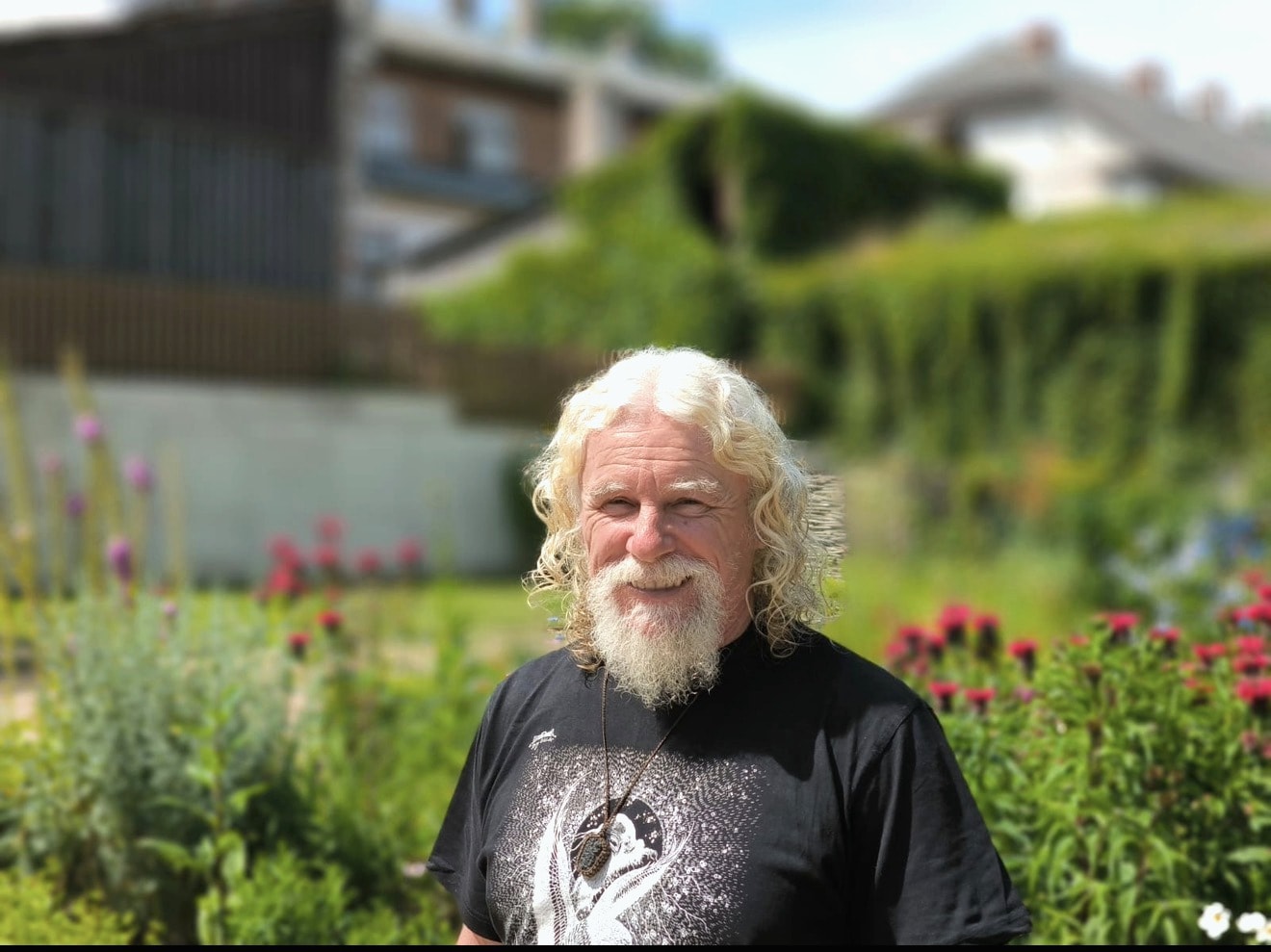
The people behind the project
Founder · syntropic practitioner
Greg Ints
Born and raised in Australia, Greg learned to plant seeds before he could read. Over seven years of syntropic practice — home blocks, house gardens, larger projects — built the practical base.
When he first encountered syntropic agriculture, the idea felt clear: nature already shows the path. The work is to observe, adapt and share.
Family roots in the Kuldīga region brought the work to Latvia. Home base: Trīsuļi, Kurzeme — a living laboratory for cold-climate adaptation.
Unproven ideas stay experiments, not claims.
We don’t have all the answers. We share what we know. We share what we discover. We share what changes our minds.
What we believe
Honesty
We share successes and failures. Unproven ideas stay experiments, not claims.
Living systems
Soil, plants, water, biodiversity and people belong in one conversation.
Time
Regeneration and learning both take seasons. We honour that pace.
Share
What we learn should be shared — so others can begin with more confidence.
How we learn
The NorthSyntropy Method is our approach to learning and experimentation — observe, understand, design, experiment, measure, adapt, share, regenerate. It is not a formally validated scientific methodology.
- 1
Prepare with intention
Shape beds and structure so roots, mulch and observation have a clear home.
- 2
Build soil life
Biomass, mineral support and cover protect and feed the system — not only the crop.
- 3
Plant in relationships
Fruit, support species and understory work together — cooperation instead of isolation.
- 4
Learn together
Field days and volunteer hands turn theory into living rows and shared knowledge.
- 01Observe
- 02Understand
- 03Design
- 04Experiment
- 05Measure
- 06Adapt
- 07Share
- 08Regenerate
Where we are going
NorthSyntropy aims to become a leading international education, research and implementation platform for syntropic agriculture in northern and temperate climates. Latvia is the starting point, not the limitation of the brand.
Demonstration & practice
Living laboratory · Latvia
Field work such as the Zadiņi trial rows near Riga is part of learning in public — real beds, real seasons, real collaboration.
We track structure, species combinations and management so others can learn from both progress and difficulty.
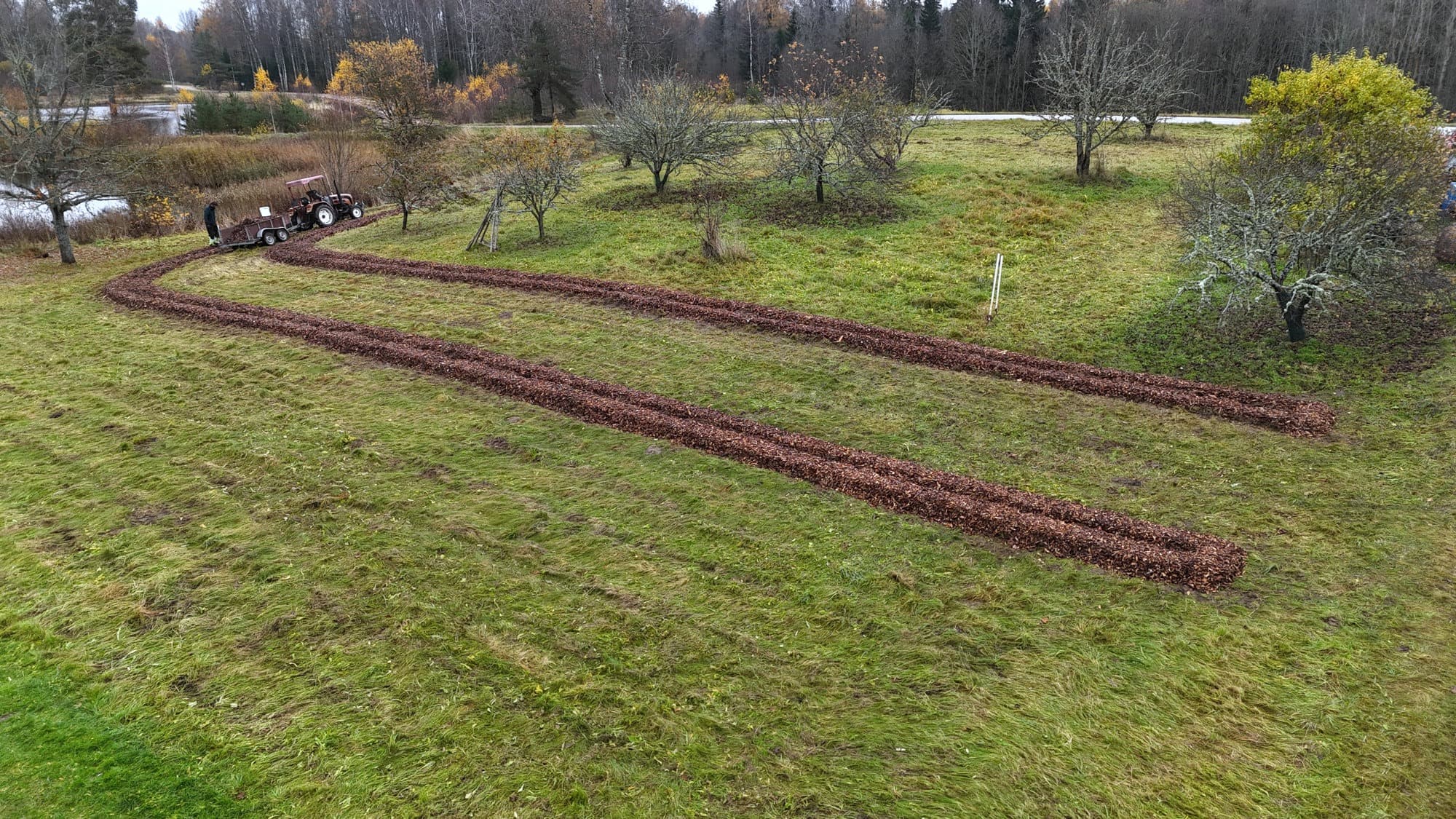
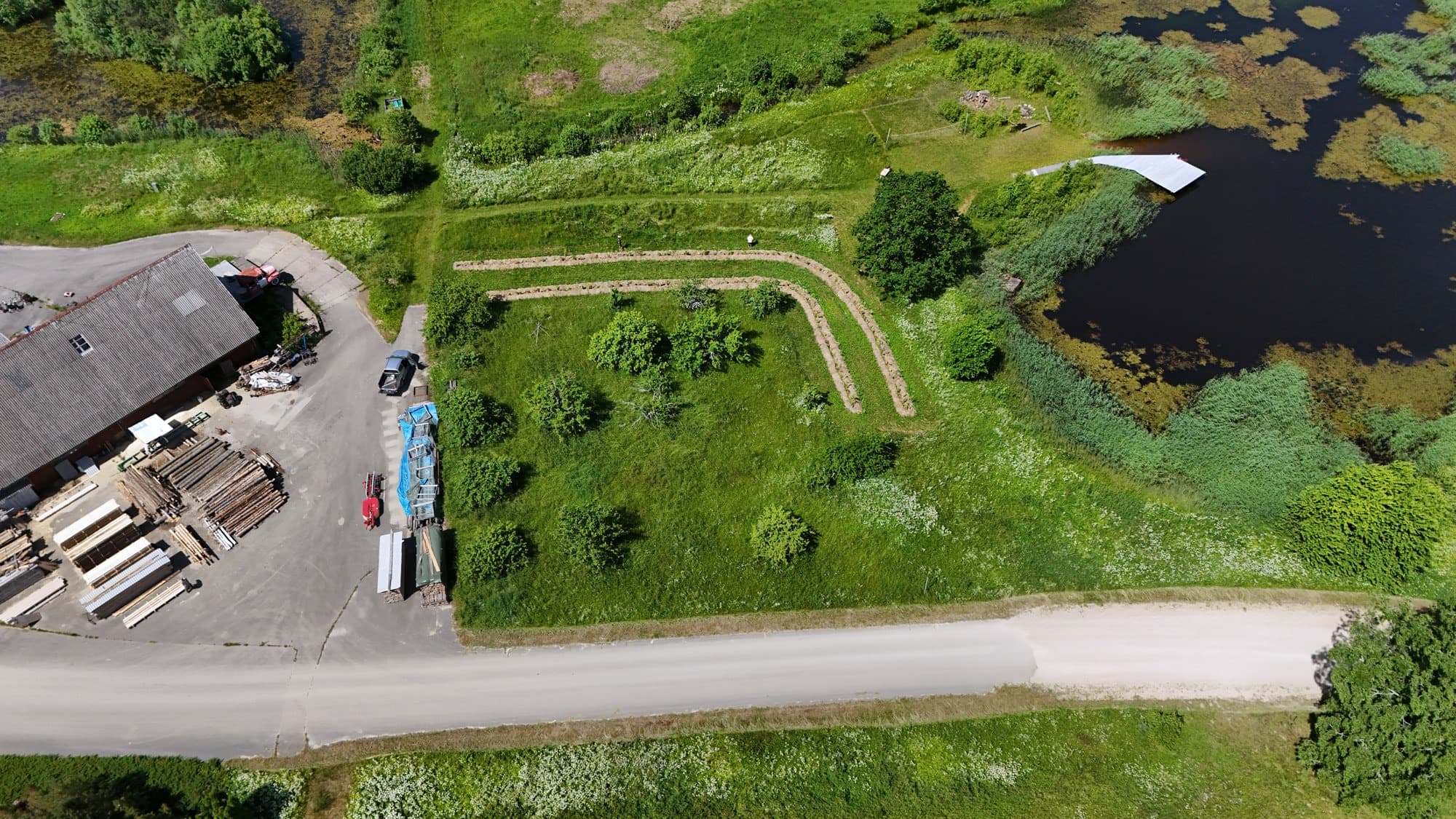
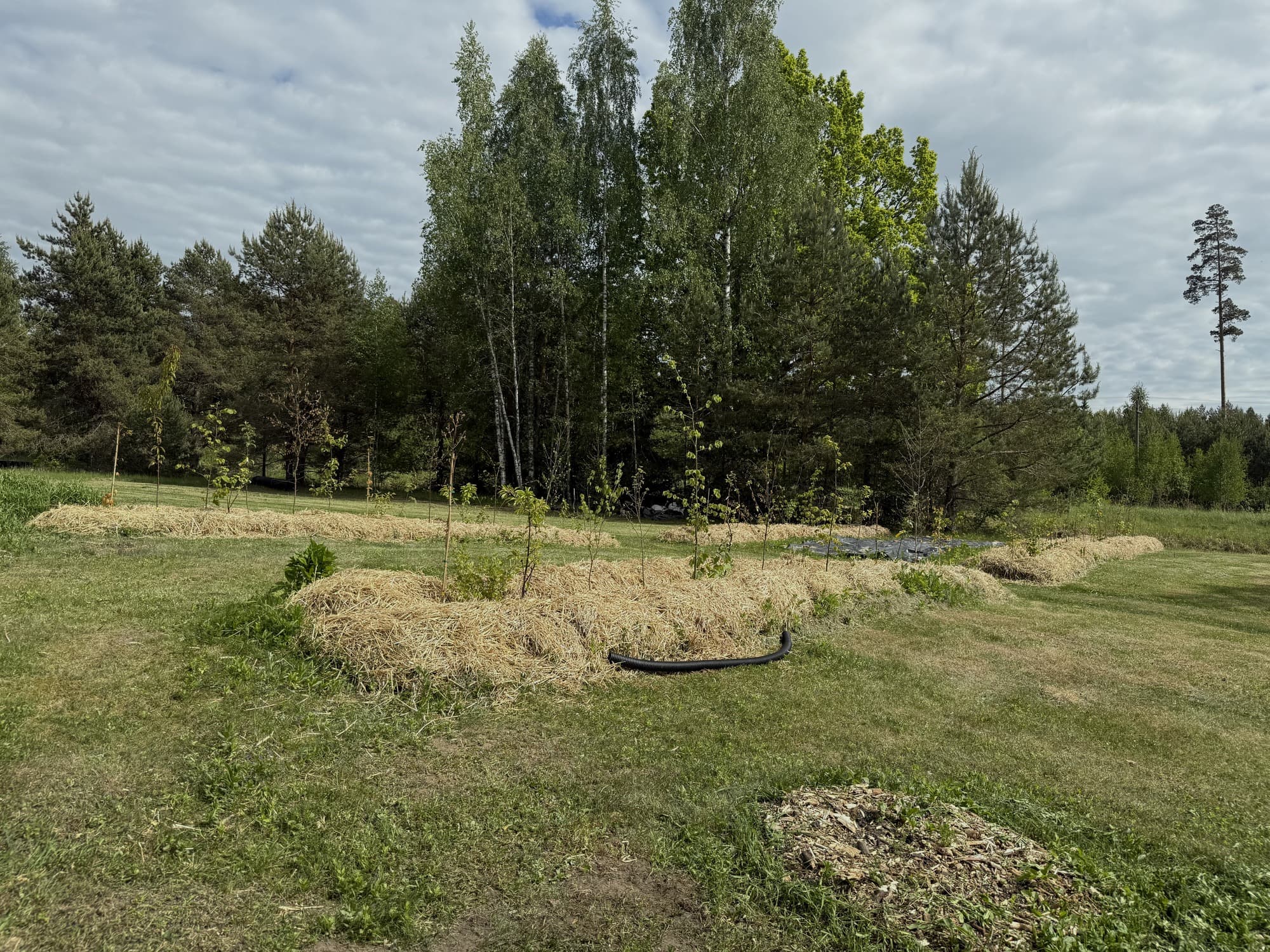
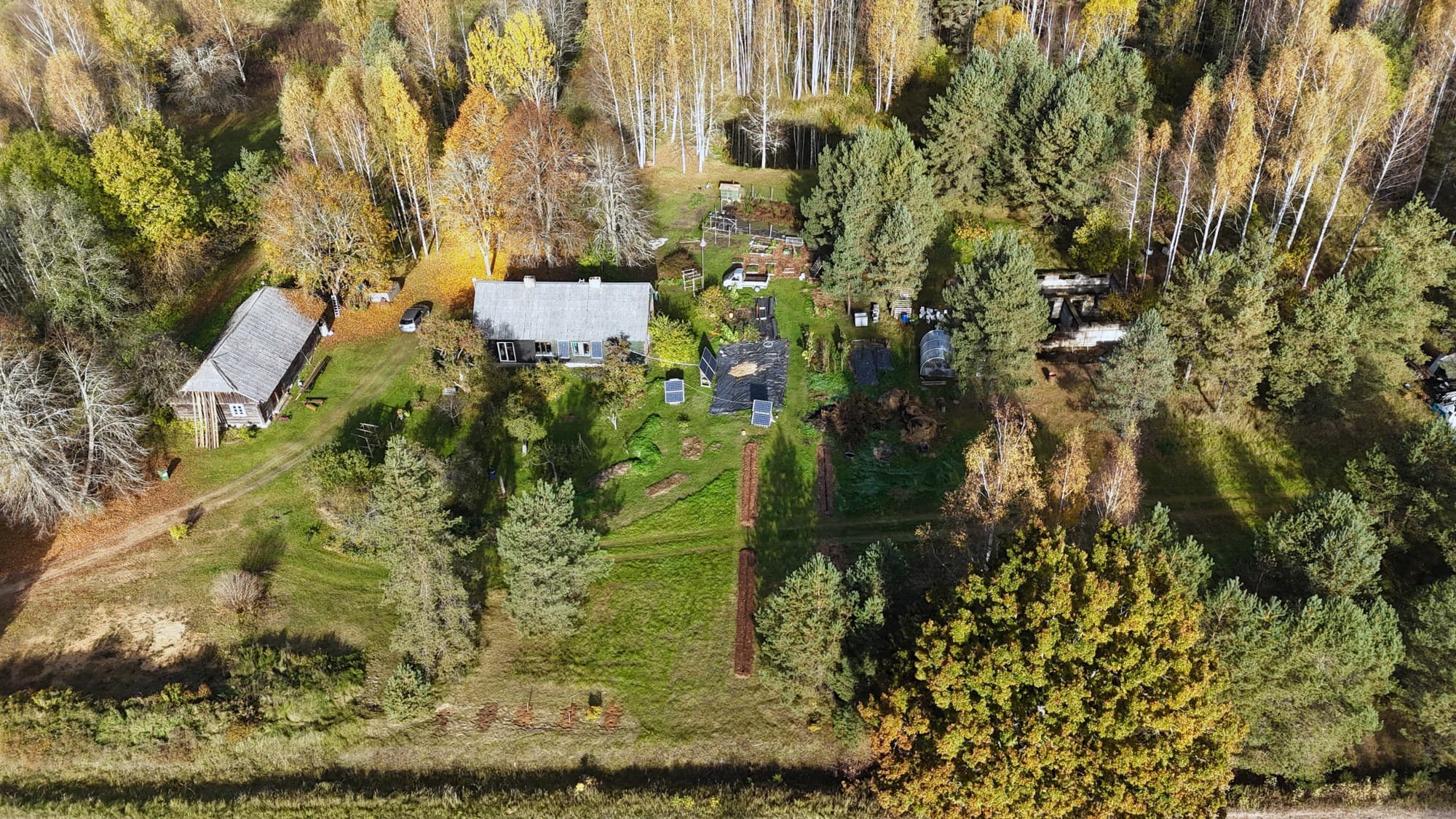
How practice looks on the ground
- 01Prepare rows and beds with clear structure for trees, support species and observation.
- 02Cover, feed soil life and work with volunteers — then watch how the system responds through winter and spring.
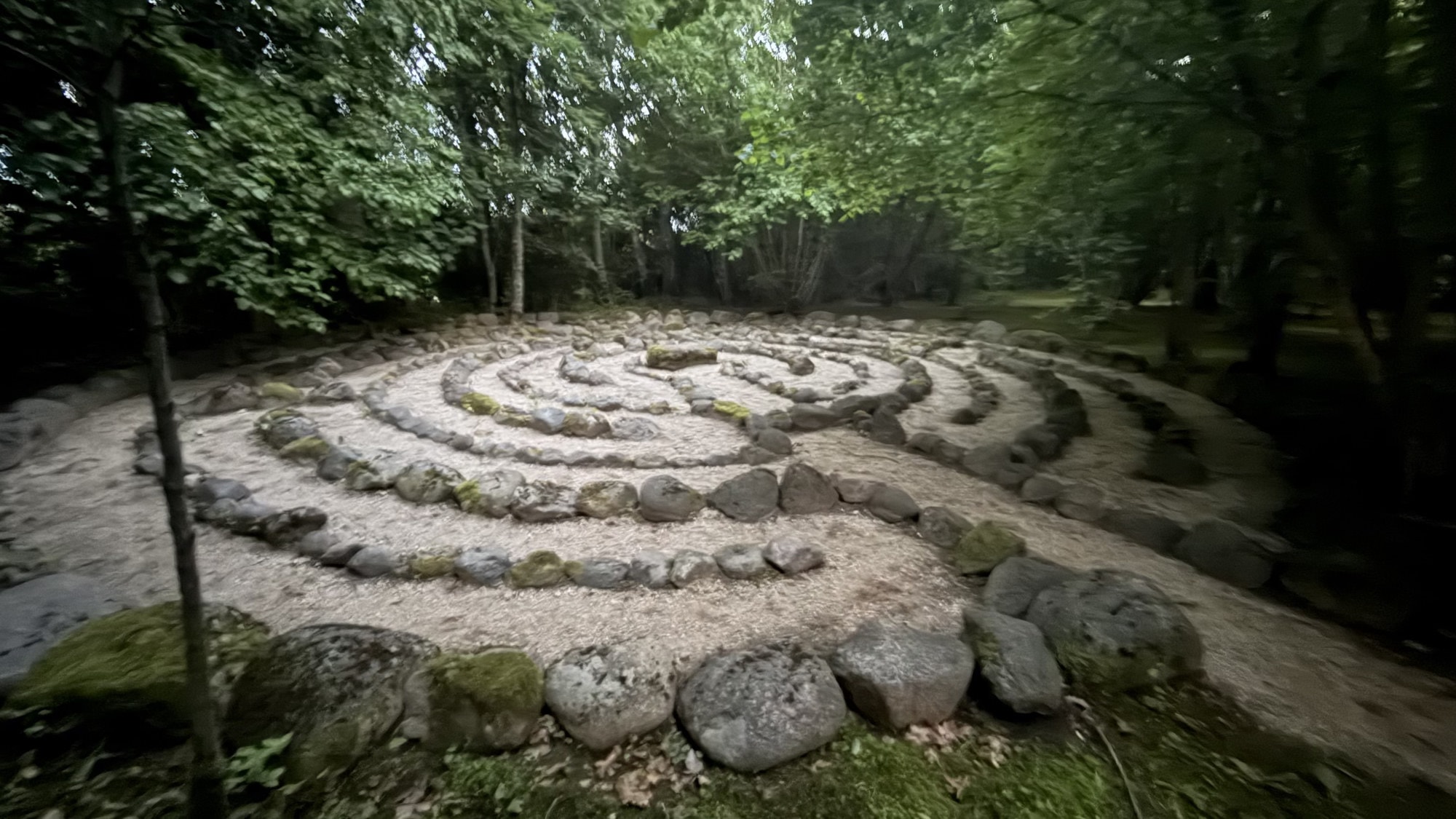
Agriculture as a relationship
NorthSyntropy is exploring how agriculture can become a relationship with living systems rather than simply an extraction from them. We observe. We experiment. We learn. We adapt. We share. And we grow with the living systems around us.