
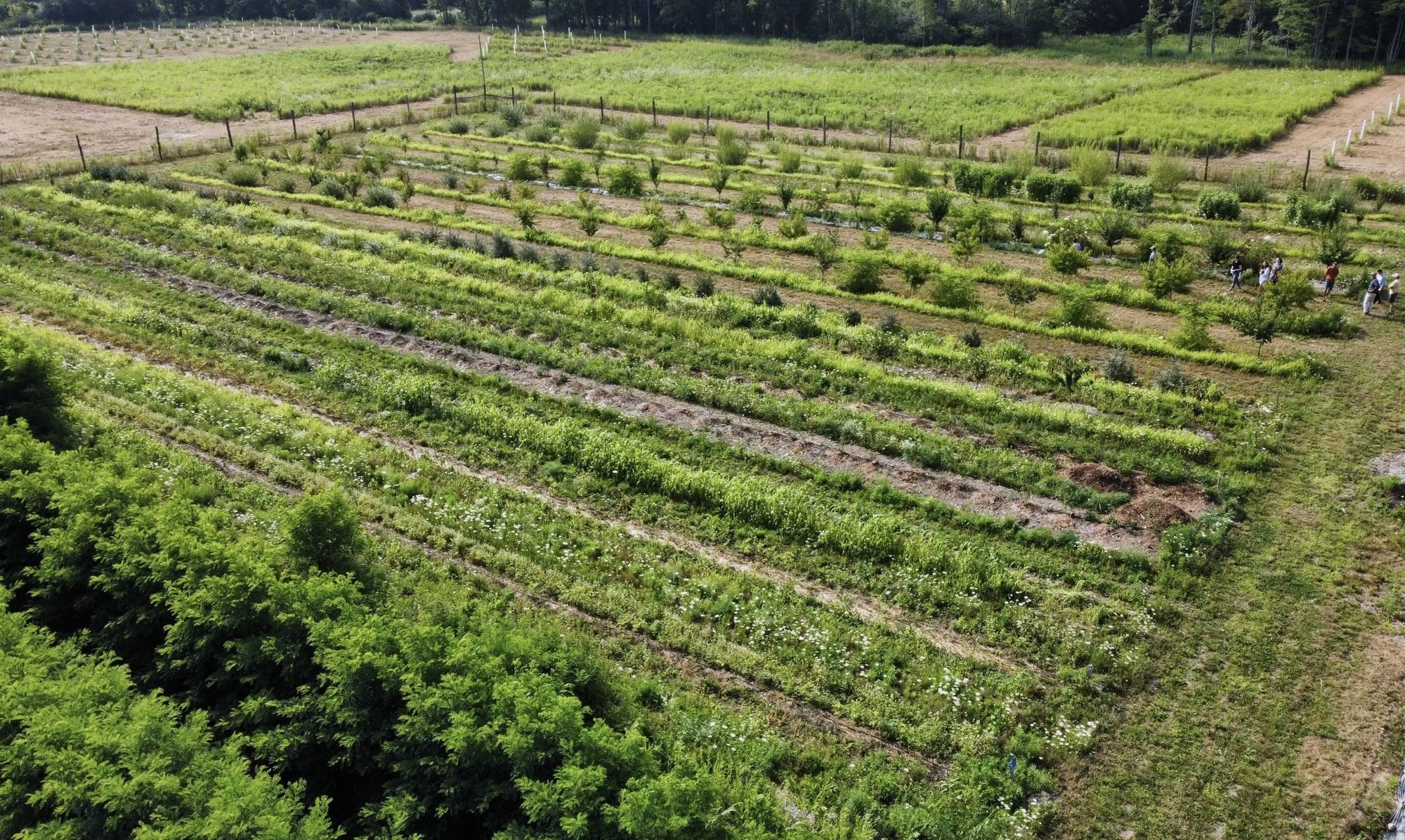
What is syntropic agriculture?
An approach that works with natural processes, succession, biodiversity and continuous regeneration to create productive ecosystems.
In accessible words
Syntropic agriculture seeks to work with ecological succession, plant interactions, biomass production and soil life — so agriculture can create more life and resilience rather than continually degrading the systems it depends on.
Where the knowledge comes from
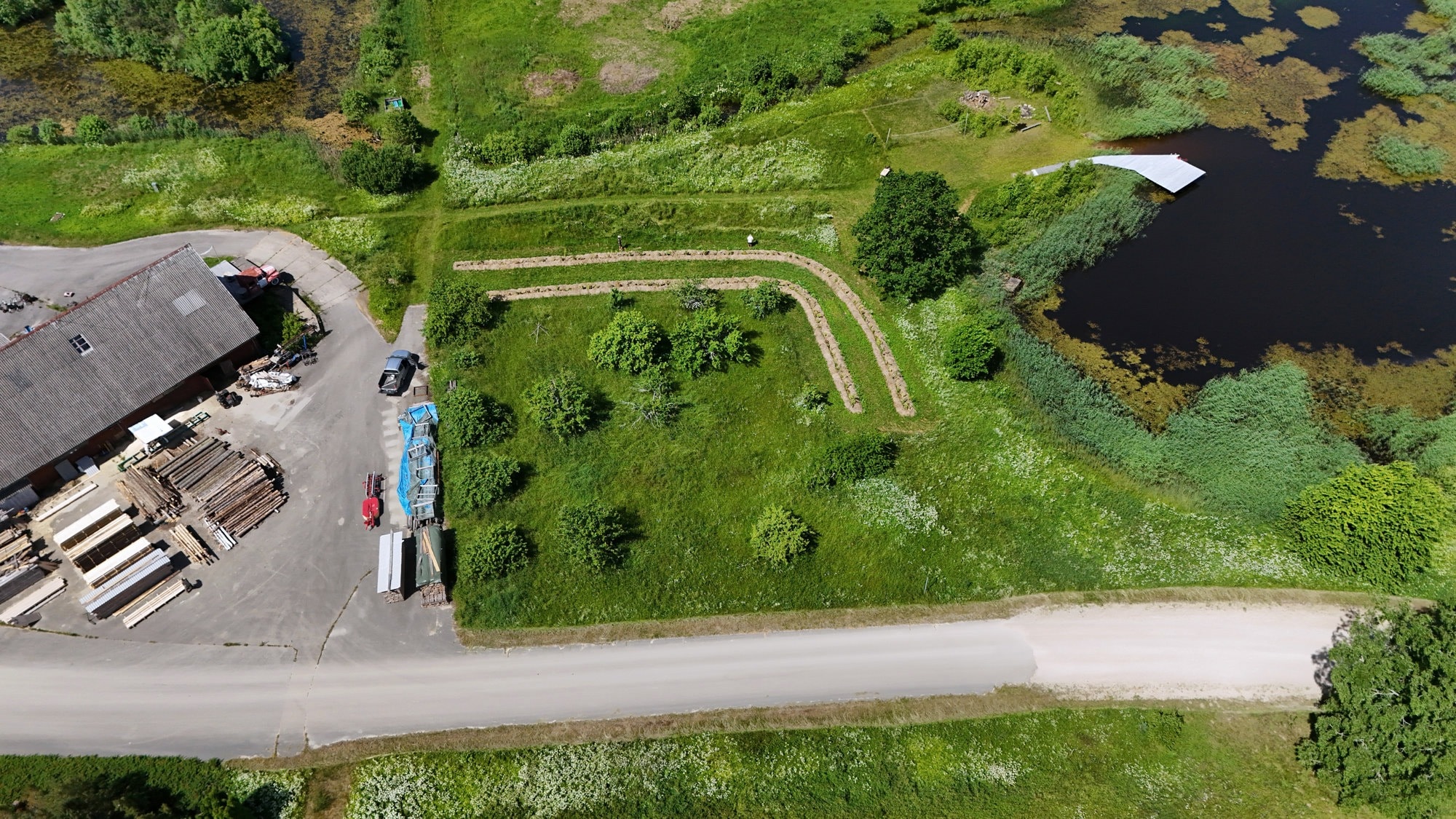
Much syntropic practice has been developed in warmer climates. NorthSyntropy does not copy systems blindly. We test how principles transfer — and what must change — in northern and temperate conditions.
A different way of seeing
Competition can give way to cooperation. Weeding can become harvesting biomass. Pests and disease become signals. The work is practical observation — not mysticism.
Principles we work with
Honest foundations — without unsupported claims.
Process over pure inputs
We prioritise succession, biomass and living processes rather than relying only on external inputs.
Intelligent pruning & biomass
Pruning and biomass management feed soil, structure light and drive regeneration — when done with purpose.
Water and microclimate
Plant choices and structure influence water, shelter and resilience — essential in cold climates.
Adapt for the North
Species, timing and economics must be tested here. We document what performs — and what fails.
“We don't have every answer. We are here to discover them — then teach what practice proves.”
Why the North matters
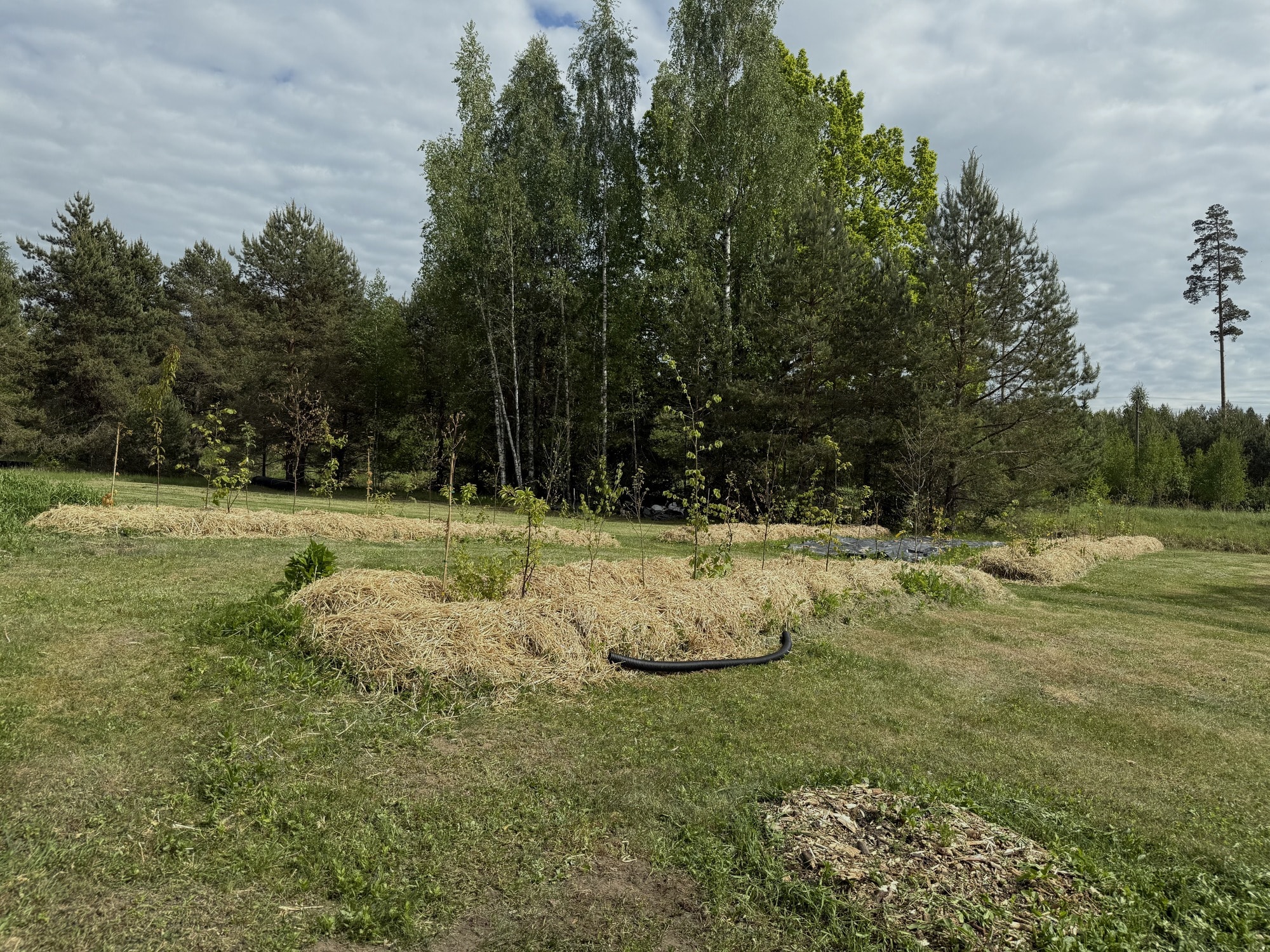
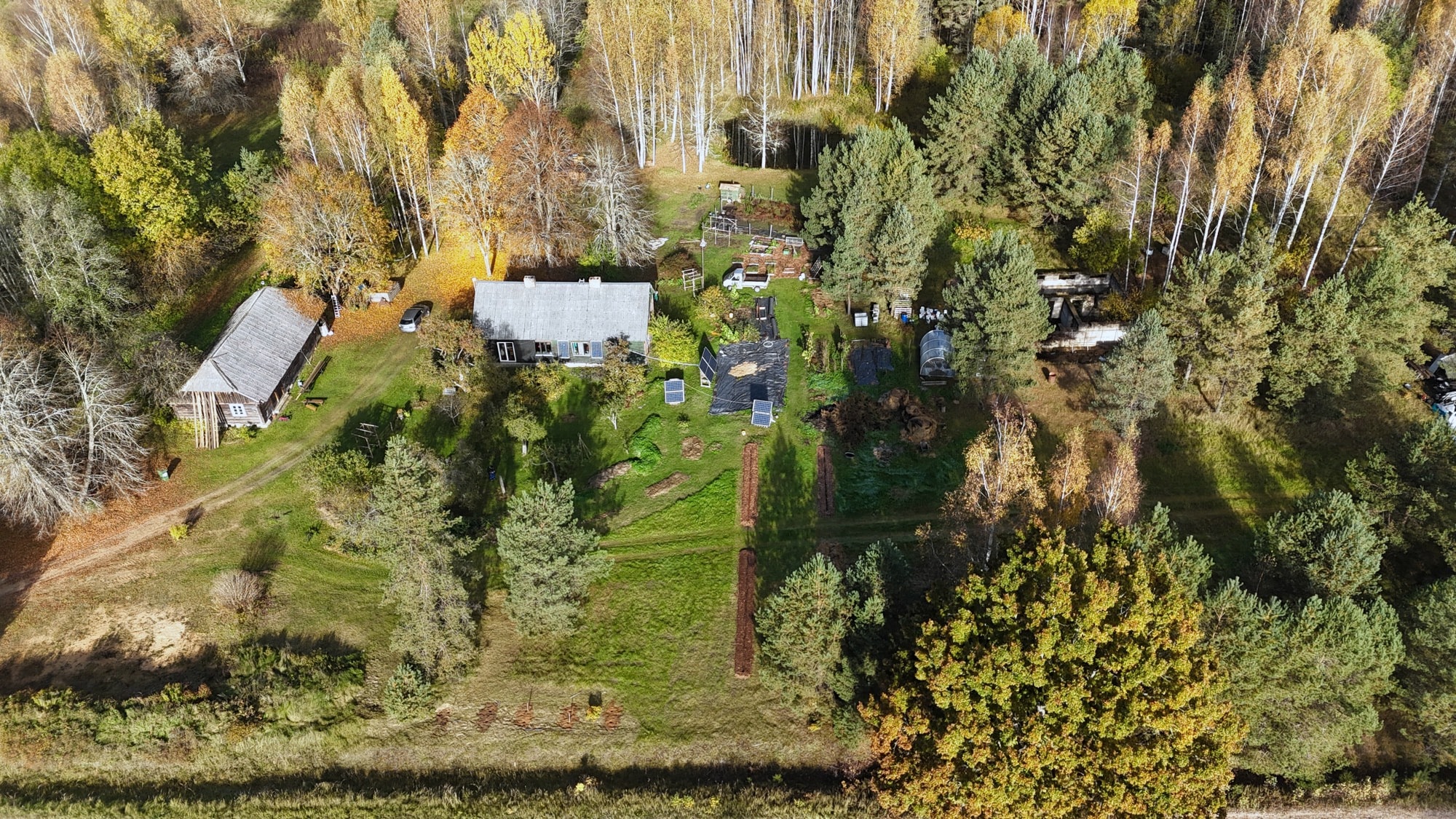
Cold and temperate landscapes need their own models. NorthSyntropy exists to explore whether syntropic agriculture can regenerate landscapes and support productive, resilient and economically viable food systems in these climates.
A learning ecosystem in formation
These pathways are being built as the living laboratory documents what practice shows. Future courses are not open yet.
Start here
A clear introduction to syntropic agriculture and why northern climates ask different questions.
Explore
Foundations
Core principles: succession, layers, biomass, soil life and cooperation.
Coming soonTemperate & cold climate
How syntropic agriculture design may change in frost, short seasons and northern light.
Coming soonPractical design
Site-specific thinking for rows, species relationships and management.
Learn moreField learning
Hands-on days at the living laboratory when they are ready to host learning well.
Join the waitlistOnline learning
Structured education on syntropic agriculture for temperate and cold climates.
Join the waitlistAdvanced learning
Deeper study for practitioners who already work with regenerative systems.
Coming soonStart learning
Follow the living laboratory, explore education pathways, or get in touch to collaborate.